The Infrastructure-Property Value Relationship
Real estate values are, at their core, a function of access and desirability. Infrastructure — roads, ports, rail, utilities — is the primary driver of access. When infrastructure improves in a corridor, what was previously 90 minutes from the city centre becomes 30 minutes. The result is predictable: demand rises, land use intensifies, and prices follow.
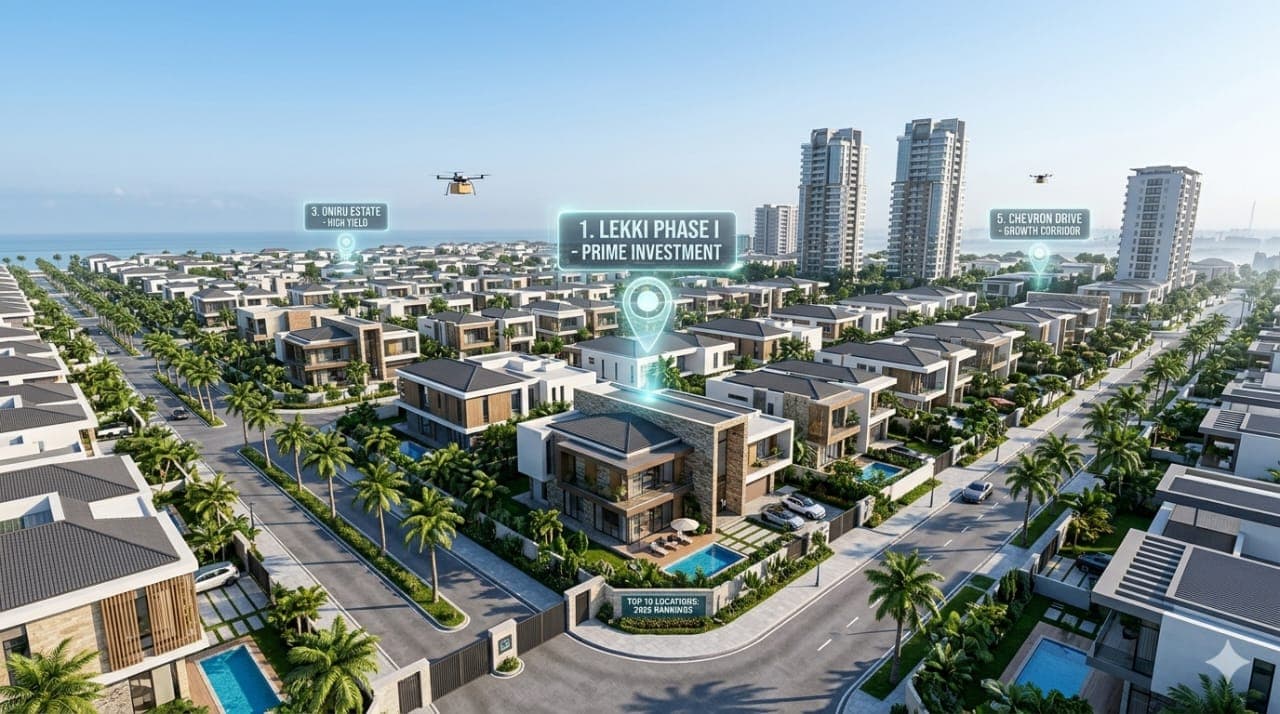
Lagos has demonstrated this pattern consistently. The development of Victoria Island in the 1980s–1990s, the construction of the Third Mainland Bridge, the Lekki Phase 1 and 2 residential buildout along the Lekki-Epe Expressway — each wave of infrastructure unlocked a new property corridor. The investors who positioned before completion captured the largest gains.
Case Study: Lekki-Epe Expressway and the Lekki Corridor
When the Lekki-Epe Expressway began significant widening and improvement in the early 2010s, land in Ajah was priced at ₦500,000–₦1.5 million per plot. By 2020, the same plots had risen to ₦4–₦12 million. By 2025, ₦8–₦25 million. The infrastructure investment did not cause speculative demand — it caused real demand by making the corridor viable for residential development, commercial activity, and logistics. Prices followed fundamentals.
Active Infrastructure Projects to Track in 2026
- Lekki Deep Sea Port: Africa's deepest sea port, now operational and ramping up. Ibeju-Lekki and Epe residential values are the primary beneficiary.
- Lagos-Calabar Coastal Highway: When complete, this highway will open 700km of coastal land between Lagos and Cross River State.
- Blue Line Rail (Lagos Rail Mass Transit): The operational Blue Line corridor from Marina to Mile 2 is already repricing residential values along its route.
- Abeokuta-Lagos Standard Gauge Railway: Federal government project that, when operational, will make Ogun State a genuine Lagos commuter alternative.
How to Position Before the Price Surge
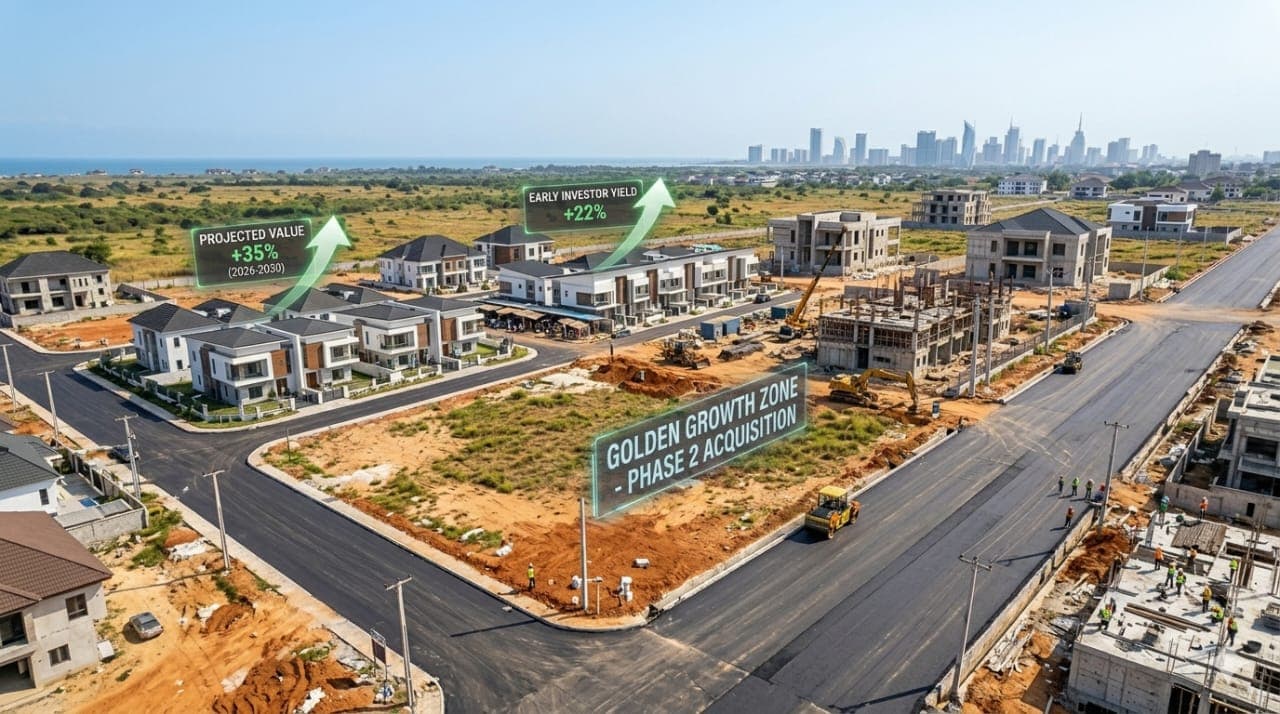
The highest-return infrastructure plays follow a consistent pattern: identify a credible, funded infrastructure project with a confirmed route or corridor; acquire verified land within the anticipated impact zone before completion; hold through the construction phase; and exit or develop once infrastructure is operational and prices have repriced.
Investment Disclaimer
The information in this article is for general educational purposes only and does not constitute financial or investment advice. Property values, rental yields, and ROI figures are illustrative. Past performance is not indicative of future results. Always seek independent professional advice before investing. Read our full disclaimer →
Ready to Invest?
Speak to our expert team today — free consultation, no obligation.
Book Free Consultation →